
By Cathy Hall
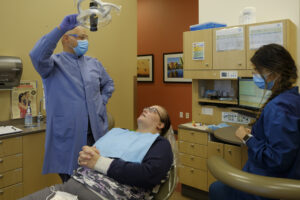 Changes to Apple Health (Medicaid) access is all over the news. Community Health Care (CHC) wants people to know that they don’t have to decide between all the important things. Affordable, accessible health care is still available to families whether or not they have insurance.
We know that in day-to-day life, pushing aside maintenance health care, like yearly physicals and twice annual dental cleanings, is easy when having to make hard decisions about where to spend the family income. Community Health Care understands that and wants to make those hard decisions a little less difficult.
Maintenance health care is important. There are costs up front but it can save money in the long run. Neglected medical health can lead to chronic issues, like heart disease or diabetes. Neglected dental health can lead to tooth decay and constant pain. Without access to a family doctor, seen regularly, when health issues arise, people tend to go to the closest urgent care or emergency room. The average emergency room visit for an uninsured patient is between $1,500 and $3,000. Emergency dental care requiring a crown can cost $1,500 or more.
How does Community Health Care help fit health management into a budget? CHC is a federally qualified health center (FQHC) which must abide by certain rules to receive that accreditation. One rule is that CHC must serve everyone regardless of insurance status or ability to pay. If a patient is uninsured, and the patient qualifies, they can request to be billed via “sliding-fee scale.” A sliding fee scale is a pricing model based on a patient’s income and family size. The larger the family and/or the lower the income, the less a patient will pay for services. The sliding-fee scale is used across all Community Health Care’s services: medical, dental, behavioral health, and prescriptions from our pharmacies.
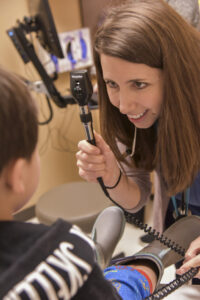
Community Health Care can help in other ways. Each patient, at each visit, has the right to ask for a Good Faith Estimate. CHC will tell you up front what your costs will be so that there are no billing surprises. If informed of costs before treatment, a patient can make a better-informed decision before proceeding. If a patient is insured but their insurance deductible is very high, sliding scale can work for them, too.
According to the National Library of Medicine, “We found that health center patients had lower use and spending than did non–health center patients across all services, with 22% fewer visits and 33% lower spending on specialty care…” Keeping up with regular health maintenance makes sense for health and budget.
Community Health Care’s mission statement: “Our Mission is to provide the highest quality healthcare with compassionate and accessible service for all.” Visit the website for more information www.commhealth .org or call Community Health Care (253) 722-2161 to make an appointment. Don’t get behind on health care. It will save more than just money.
For more detailed information on the sliding-fee scale, click here: Affording Healthcare